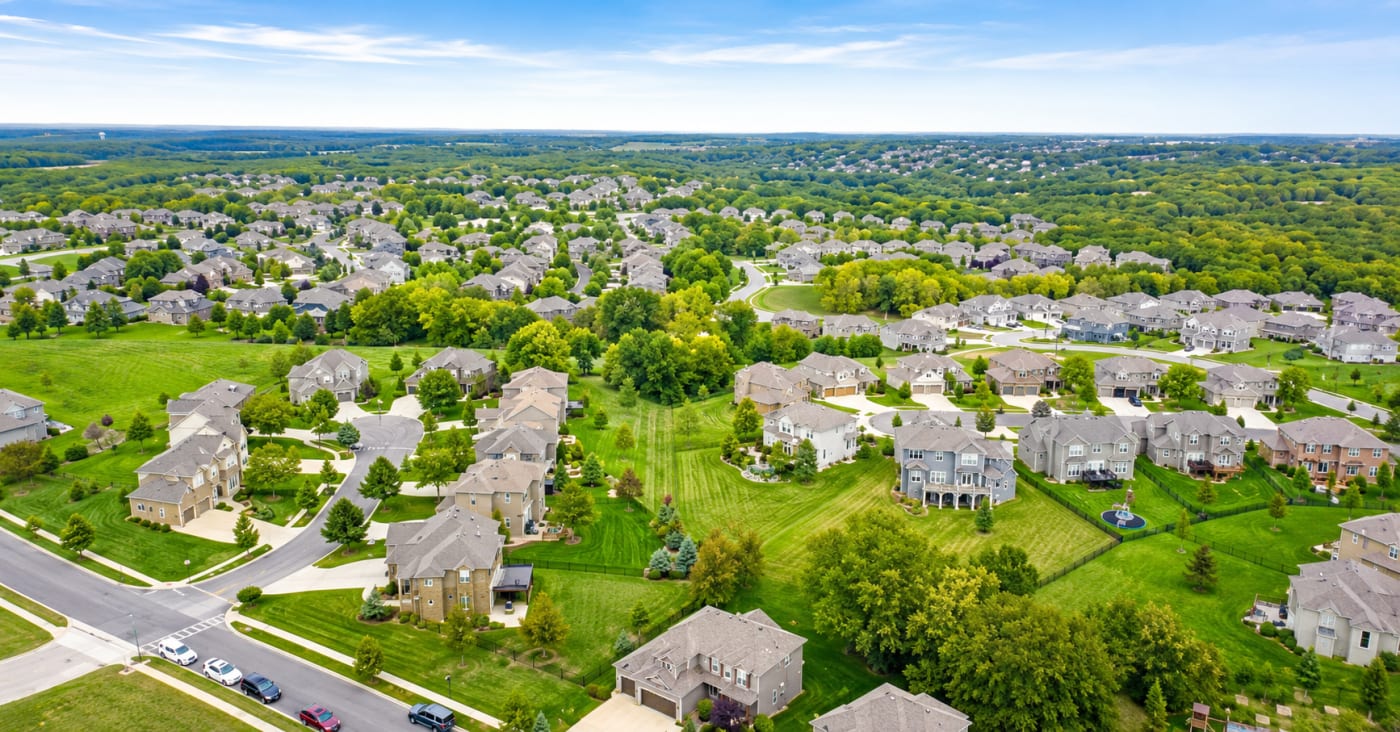
Gudu
Settled, strategic and seriously underratedAbout Gudu
A well-developed Phase 2 district with outstanding city-centre proximity, the prestigious Apo Legislative Quarters, a thriving commercial corridor, and land values that confirm what insiders have long known — Gudu is one of Abuja's most strategically positioned residential addresses.
Overview
Who lives here
Gudu's resident population is one of the most institutionally anchored in Phase 2 Abuja. National Assembly members and their families occupy the Legislative Quarters, while the broader district houses senior civil servants, middle and upper-middle class professionals, entrepreneurs, traders, and a growing community of investors who recognise the district's proximity to the CBD and institutional prestige. The district has historically attracted residents who want to be close to the political and governmental machinery of the FCT without the premium costs of Phase 1 — a profile that has served Gudu well as those costs have continued to rise.
Who should live here
Pros
- ✓ Apo Legislative Quarters — one of Nigeria's most prestigious government residential precincts, located within the district
- ✓ Only 15 minutes from the CBD — one of the best city-centre access profiles of any Phase 2 district
- ✓ Average land price ₦480M — institutional confidence confirmed by sophisticated investors
- ✓ Ibeto Hotel — landmark luxury hotel and conference venue on David Ejoor Crescent
- ✓ Well-maintained Phase 2 infrastructure — road network extensive and in good condition
- ✓ Gudu Market — established commercial hub for electrical parts and food staples
- ✓ Sentosa Park and Xcell Plus Gym & Spa — leisure amenities within the district
- ✓ Diverse property offer — from affordable flats to luxury 7-bedroom detached villas
- ✓ Active nightlife and dining — Baytown Lounge, Barkono Grills, Threepalms Fortunes, Dizznos
Cons
- ✗ Less commercial density than Garki or Wuse 2 for daily lifestyle needs
- ✗ Gudu Market generates traffic congestion and commercial noise on market days
- ✗ Limited premium hospital infrastructure within the district itself
- ✗ Some sub-areas less developed than the Legislative Quarters corridor
- ✗ Public transport less frequent than more central districts
Types of property
Connectivity & access
Gudu's road connectivity is among the strongest of any Phase 2 district in Abuja. The three primary arteries — Nnamdi Azikiwe Expressway, Ahmadu Bello Way, and Oladipo Diya Street — provide direct, well-maintained links to the CBD (10–15 minutes), Garki (5–10 minutes), Asokoro (10–15 minutes), and the airport expressway corridor. Nnamdi Azikiwe International Airport is approximately 30–35 minutes. The district's location adjacent to Garki — the administrative backbone of Phase 1 — means that most of Abuja's institutional addresses are within a single 15-minute drive. Public transport runs along the expressway and Ahmadu Bello Way corridors, with shared taxis and buses operating actively. Ride-hailing coverage is good throughout the district. The Apo Legislative Quarters sub-area has additional security-managed access controls that can temporarily affect flow during official movements.
Investment outlook
Common challenges
- • Market-day traffic congestion around Gudu Market and Apo auto-parts corridor
- • Road closures and VIP movements around Apo Legislative Quarters
- • Rising land prices making affordable entry points harder to find in prime sub-areas
- • Some sections of the district have inconsistent power supply outside gated estates
Nearby Verified Relocation Services
Location
Frequently asked
What is the Apo Legislative Quarters and how does it influence Gudu?+
Very close. At 10–15 minutes from the CBD under normal traffic conditions, Gudu has one of the shortest city-centre commutes of any Phase 2 district in Abuja — comparable to some Phase 1 districts. This proximity is Gudu's single most significant competitive advantage and is the primary driver of its elevated land values relative to other Phase 2 addresses.
How close is Gudu to the CBD compared to other Phase 2 districts?+
Very close. At 10–15 minutes from the CBD under normal traffic conditions, Gudu has one of the shortest city-centre commutes of any Phase 2 district in Abuja — comparable to some Phase 1 districts. This proximity is Gudu's single most significant competitive advantage and is the primary driver of its elevated land values relative to other Phase 2 addresses.
What is the significance of the African Medical Centre of Excellence (AMCE) near Gudu?+
Yes, with some caveats. Gudu is well-suited for families who prioritise city-centre proximity, institutional security, and a developed neighbourhood feel. The presence of the Legislative Quarters generates a security presence that extends across the district. Schools and healthcare facilities within or near the district support family life adequately. The district's leisure infrastructure — Sentosa Park, Xcell Plus Gym, Ibeto Hotel facilities — provides recreational options. However, it is not as family-specialised as Lifecamp, Gwarinpa, or Kado.
Is Gudu suitable for families?+
Yes, with some caveats. Gudu is well-suited for families who prioritise city-centre proximity, institutional security, and a developed neighbourhood feel. The presence of the Legislative Quarters generates a security presence that extends across the district. Schools and healthcare facilities within or near the district support family life adequately. The district's leisure infrastructure — Sentosa Park, Xcell Plus Gym, Ibeto Hotel facilities — provides recreational options. However, it is not as family-specialised as Lifecamp, Gwarinpa, or Kado.
What are the top residential sub-areas within Gudu?+
The Apo Legislative Quarters corridor commands the highest rents and prices — luxury 4–7 bedroom duplexes in this zone let at ₦11M–₦18M per annum and sell at ₦800M+. Flowergate Estate and the area around Ibeto Hotel on David Ejoor Crescent are the next most sought-after sub-areas. Savannah Estate and developments along the Nnamdi Azikiwe Expressway access road offer more accessible price points for mid-market buyers.
Why do land prices in Gudu reach ₦4 billion for some plots?+
Commercial land in Gudu's most strategic positions — particularly on the expressway frontage and near the Legislative Quarters — commands premium prices driven by the combination of CBD proximity, high-income residential demand from political tenants, and limited supply of large undeveloped plots with clean FCDA titles. A 5,000sqm commercial plot was listed at ₦4 billion as recently as June 2026, confirming that institutional and commercial investors are making long-term bets on the district's trajectory.
Related across the network
Nearby places in Gudu
Discover what's around — automatically curated from the directory.
No nearby places indexed yet for this location.