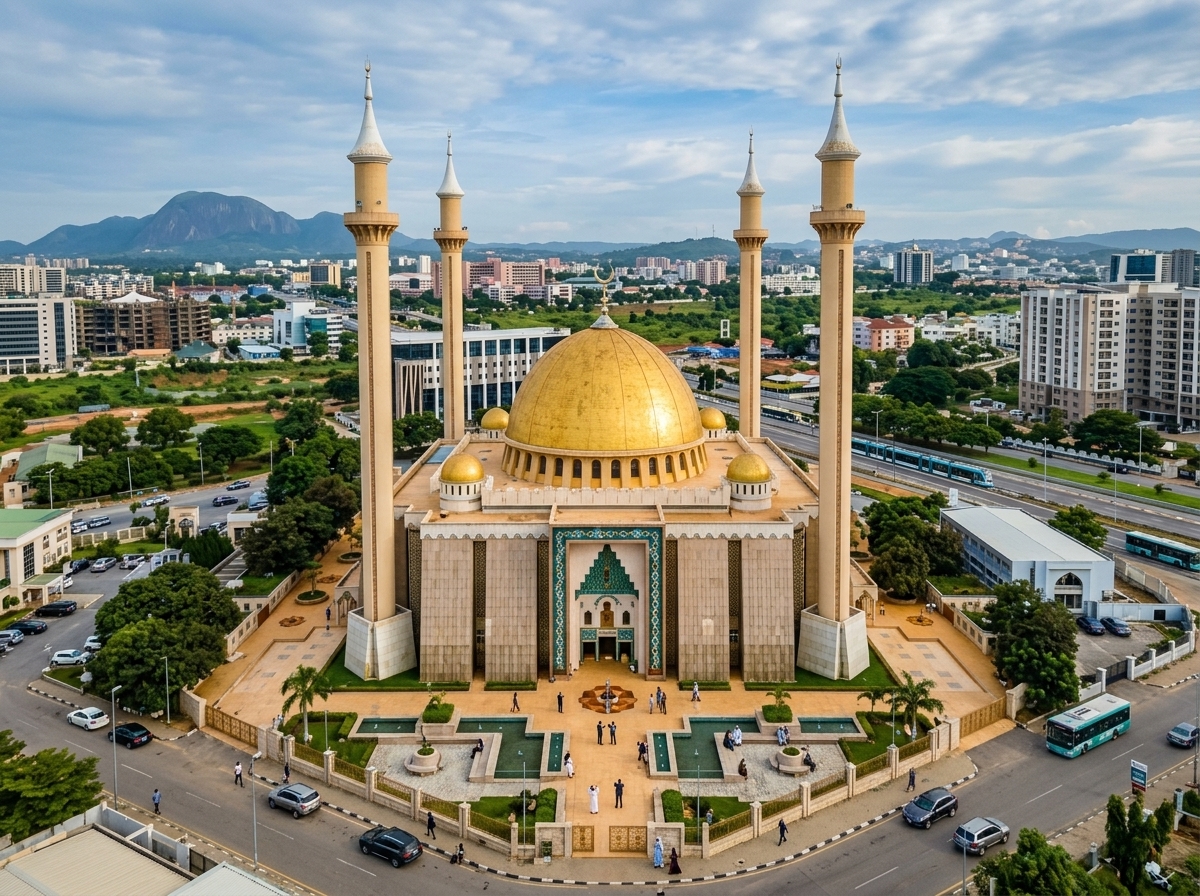
Moving to Abuja: Inside Nigeria’s Fastest-Rising Lifestyle City
Abuja does not rush to impress you.
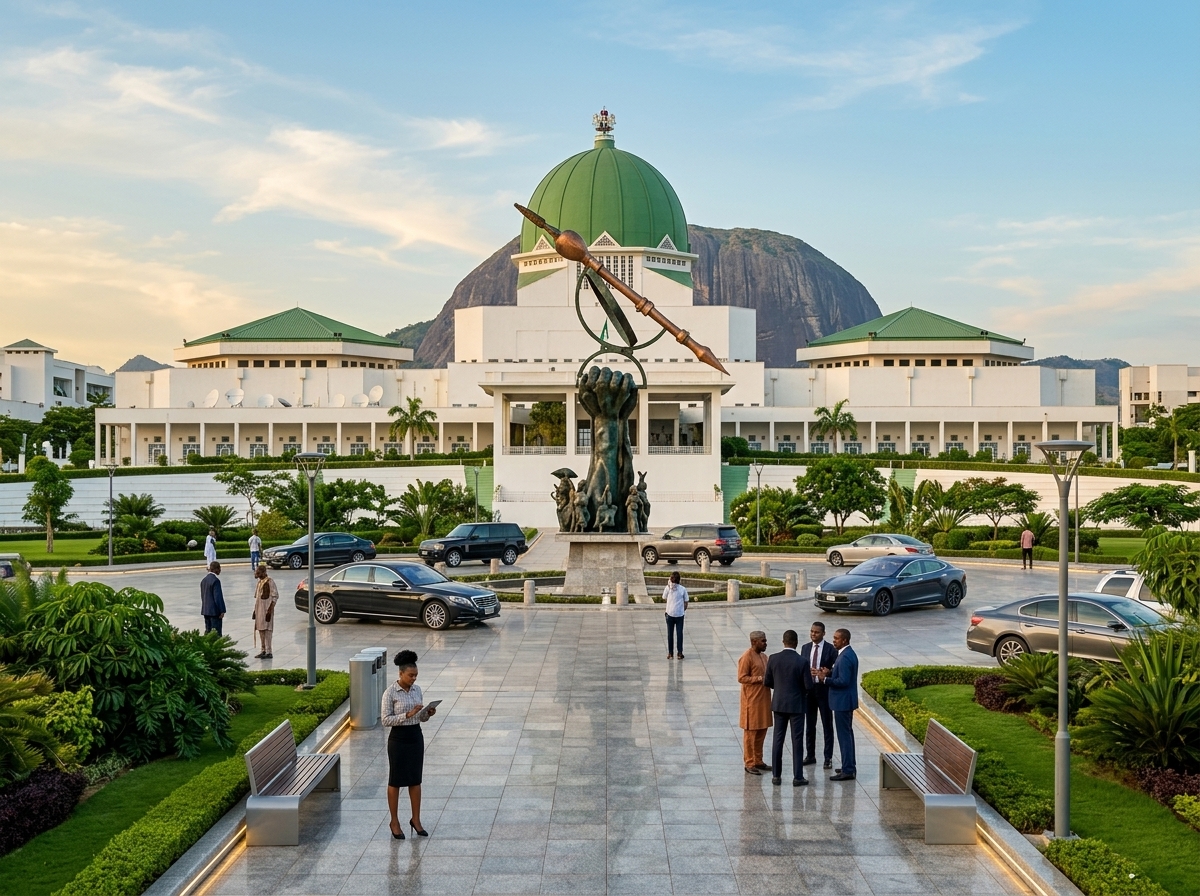
Unlike cities that announce themselves with chaos and noise, Nigeria’s capital reveals itself gradually — through wide roads, quiet luxury, evening city lights, developing districts, diplomatic calm, and an unusual sense of order many people do not expect to find in Nigeria.
For some people, Abuja represents opportunity. For others, it is escape. For many families, it is the search for peace, structure, and a better quality of life.
And once people settle into the rhythm of the city, many rarely want to leave.
Why Abuja Continues to Attract New Residents
Over the last decade, Abuja has transformed into far more than a government city.
The capital is expanding rapidly through real estate development, infrastructure projects, hospitality growth, business migration, and rising international attention. Young professionals are moving in daily. Investors are quietly buying into developing districts. Families are relocating from Lagos and abroad in search of calmer living.
Unlike overcrowded mega-cities, Abuja still has room to breathe.
That breathing space changes the experience of everyday life.
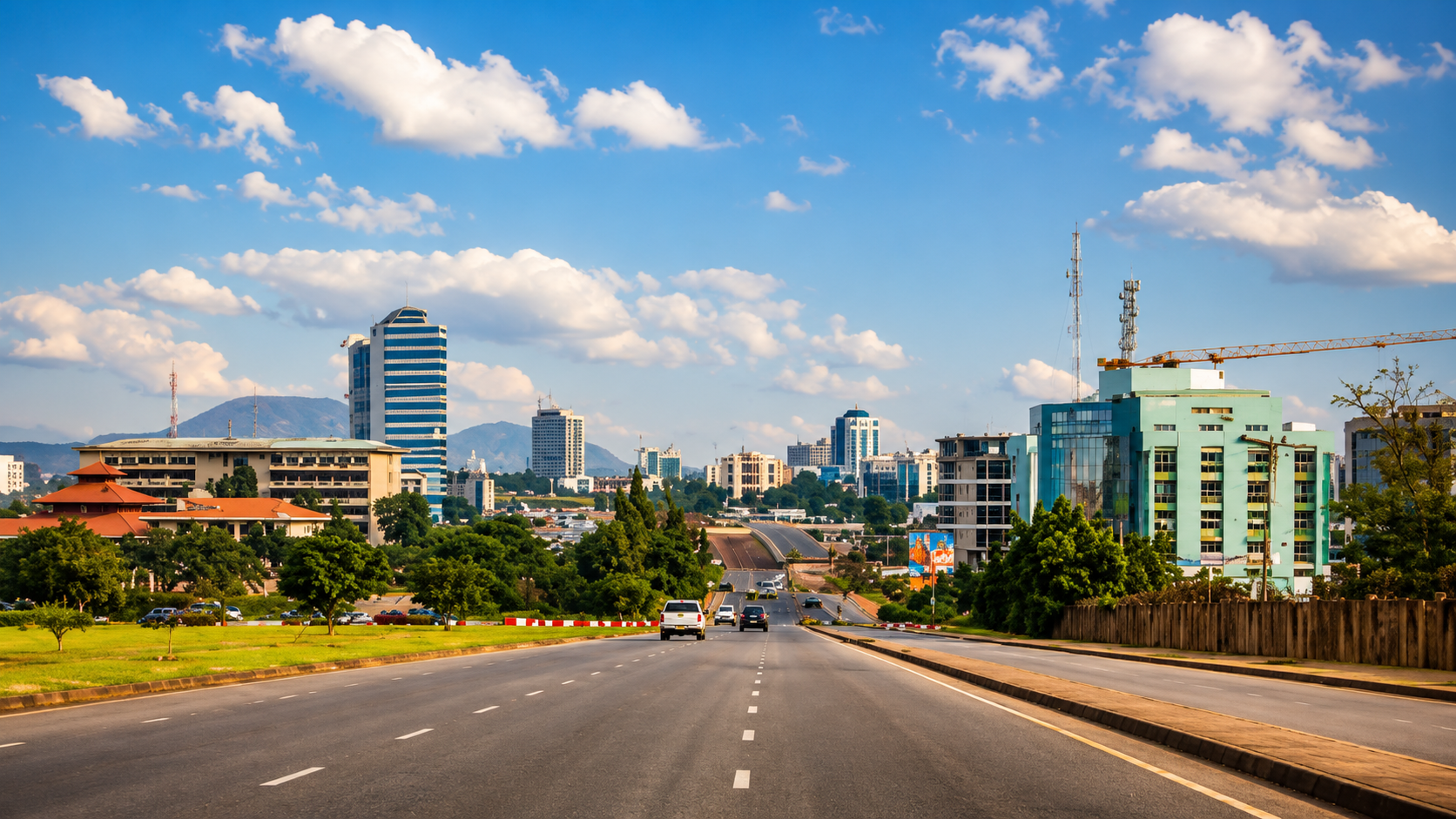
The roads are wider. The environment feels cleaner. The pace feels more balanced.
And perhaps most importantly, Abuja offers flexibility.
You can enjoy luxury living here. You can build a life on a moderate budget here. You can experience an international lifestyle or remain deeply connected to local culture.
Few African capitals manage to combine all those realities in one city.
Understanding Abuja Before Relocating
One mistake newcomers often make is assuming Abuja is easy to understand after a short visit.
It is not.
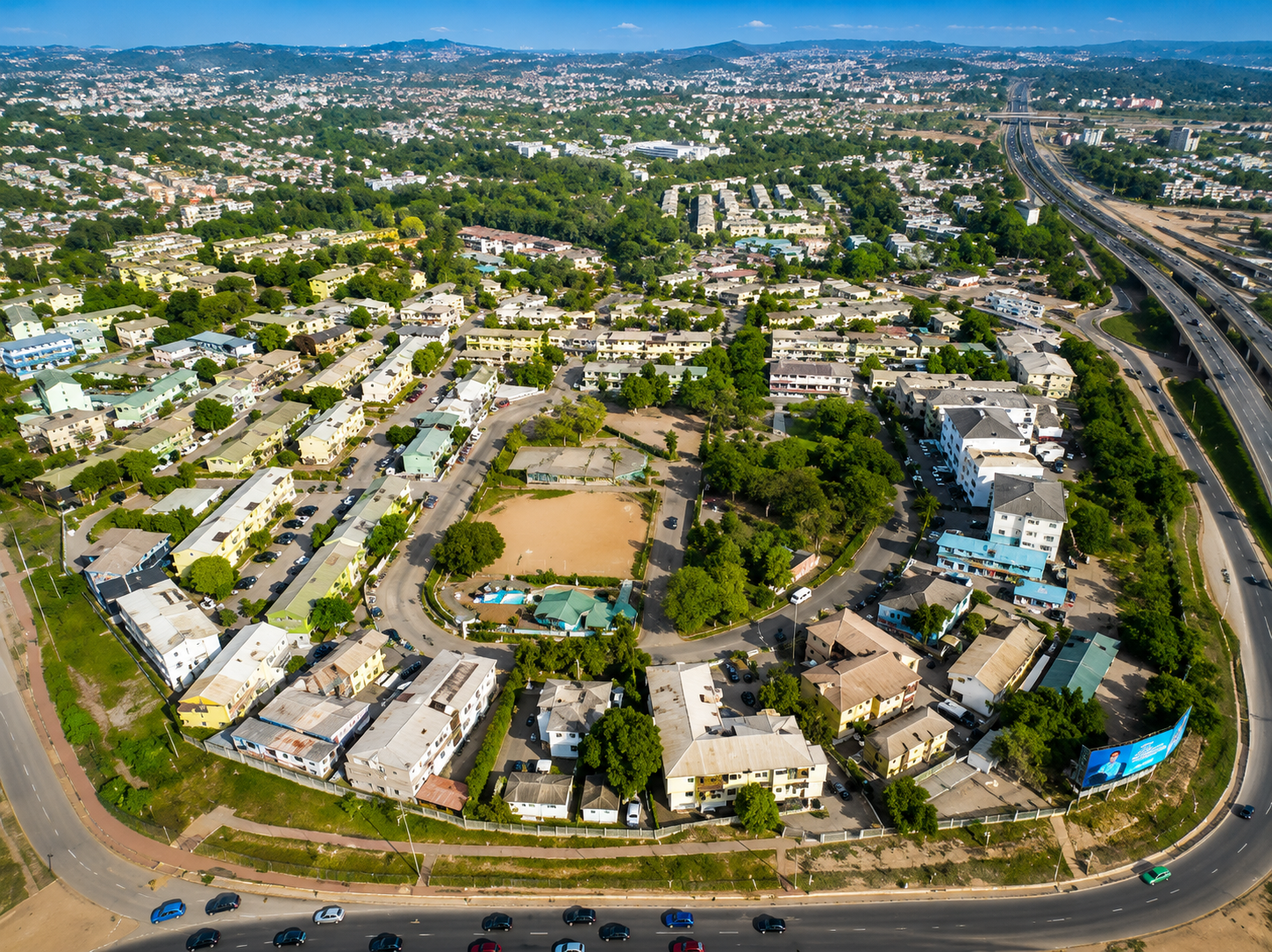
Abuja is made up of multiple districts and development corridors, each with its own personality, pricing, infrastructure level, traffic pattern, and lifestyle.
Choosing the right neighborhood can completely shape your experience in the city.
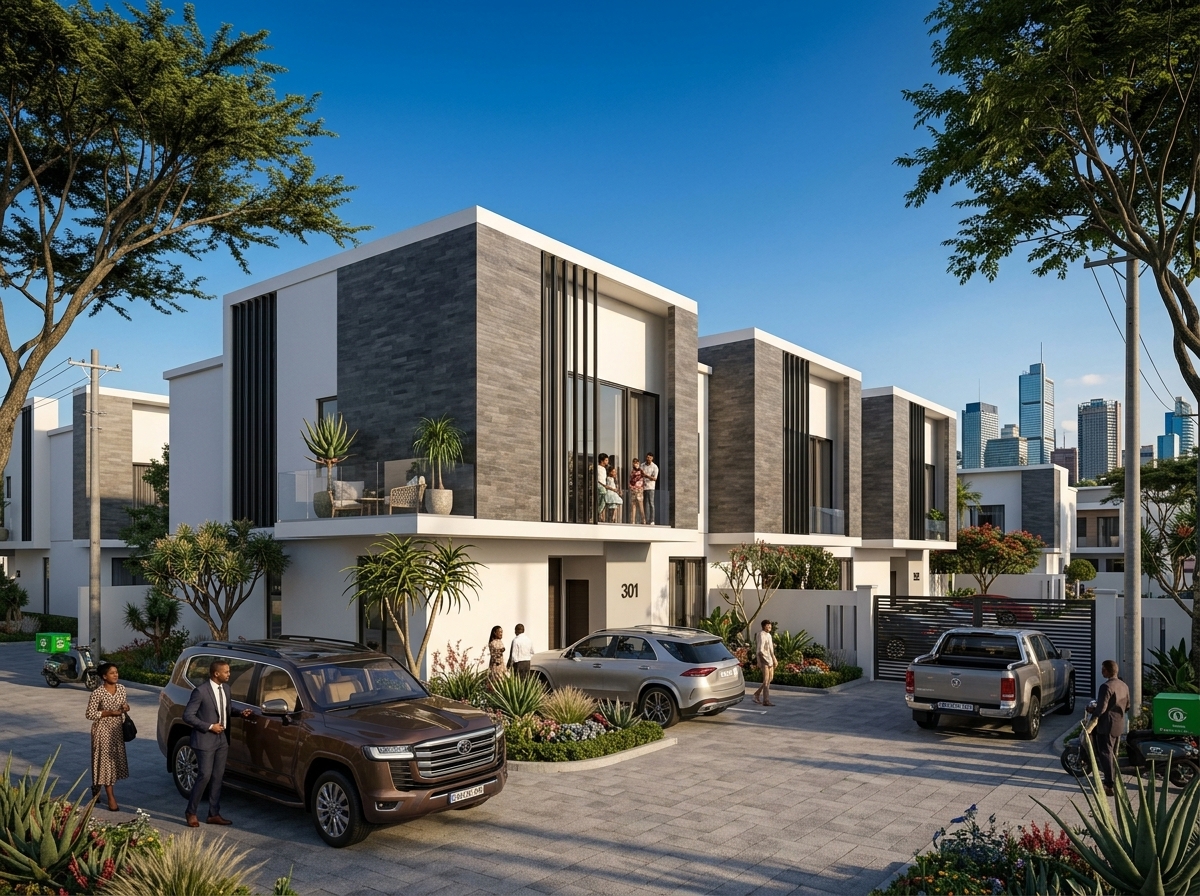
Some districts prioritize exclusivity and diplomacy. Others are built around nightlife, commercial activity, or family living. Some areas are already mature luxury zones, while others are emerging investment corridors quietly attracting smart buyers and developers.
Understanding these differences before relocating is extremely important.
The Districts Defining Modern Abuja Maitama, Asokoro & Guzape
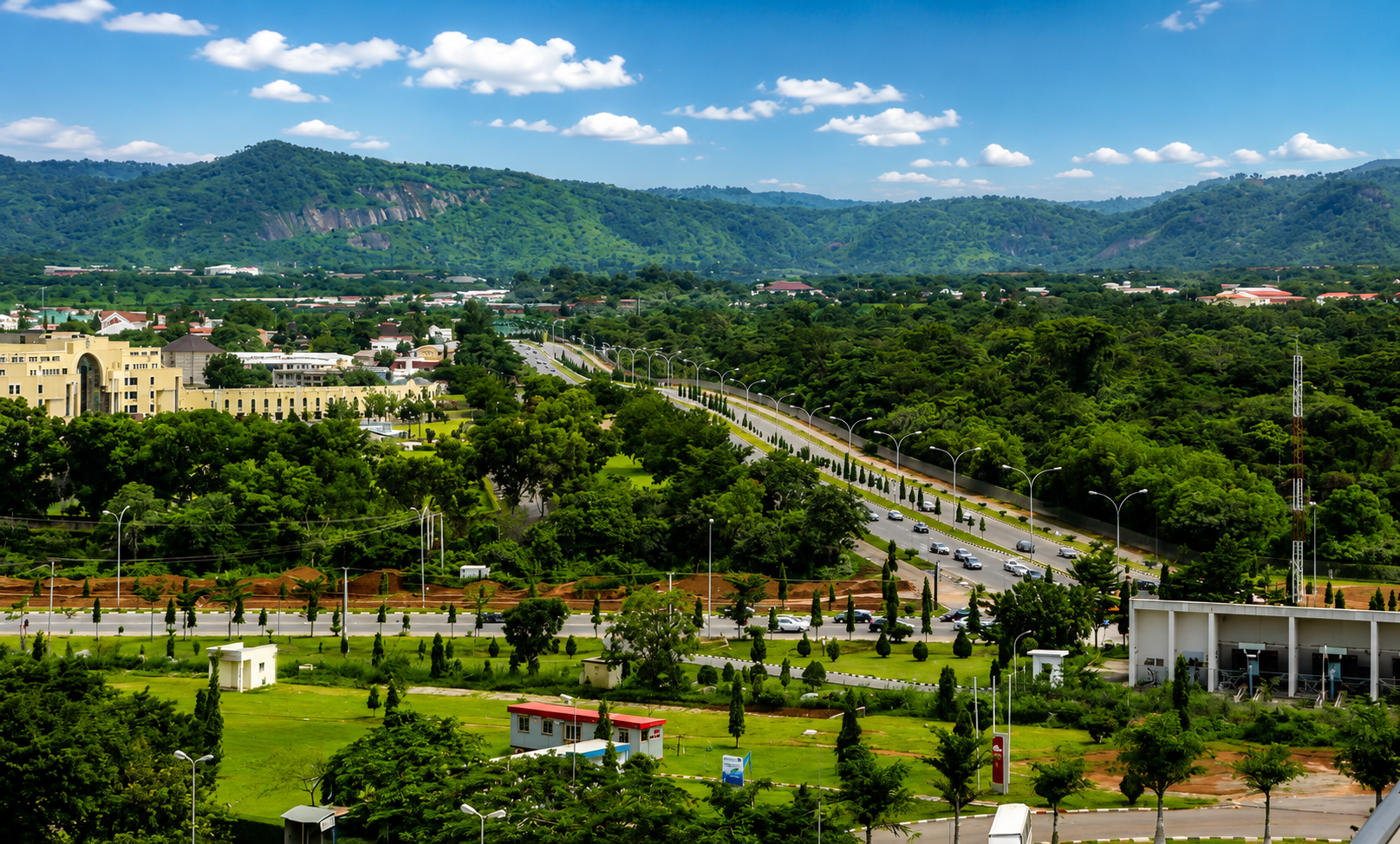
These districts sit among Abuja’s most prestigious locations.
Embassies, luxury residences, diplomatic activity, premium restaurants, and high-end developments dominate these neighborhoods. Residents here typically value privacy, security, prestige, and proximity to central government institutions.
Guzape has particularly experienced rapid luxury growth in recent years, becoming one of Abuja’s most desirable modern residential districts.
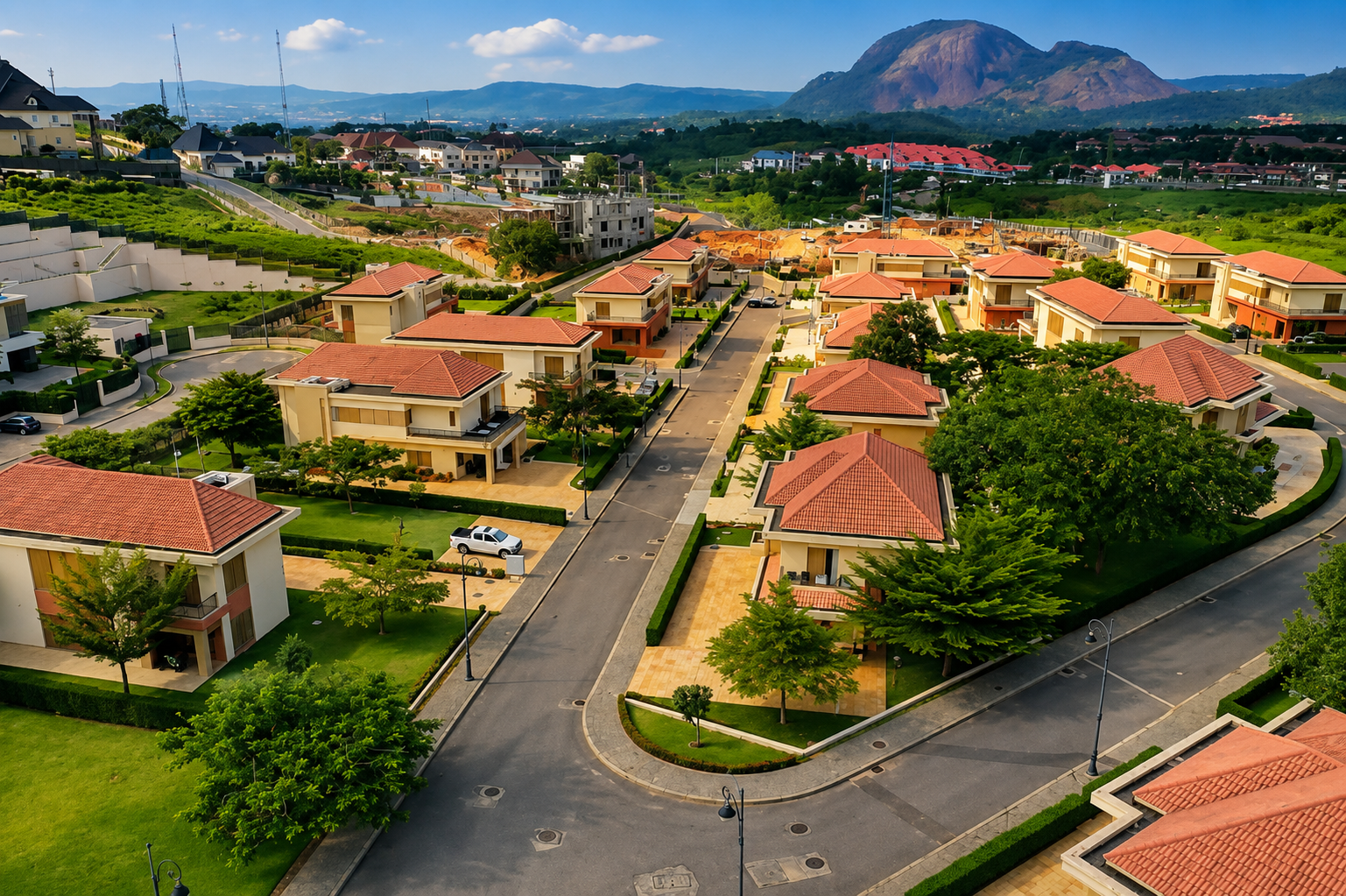
Wuse, Jabi & Life Camp
For people who enjoy accessibility and urban energy, these areas remain highly attractive.
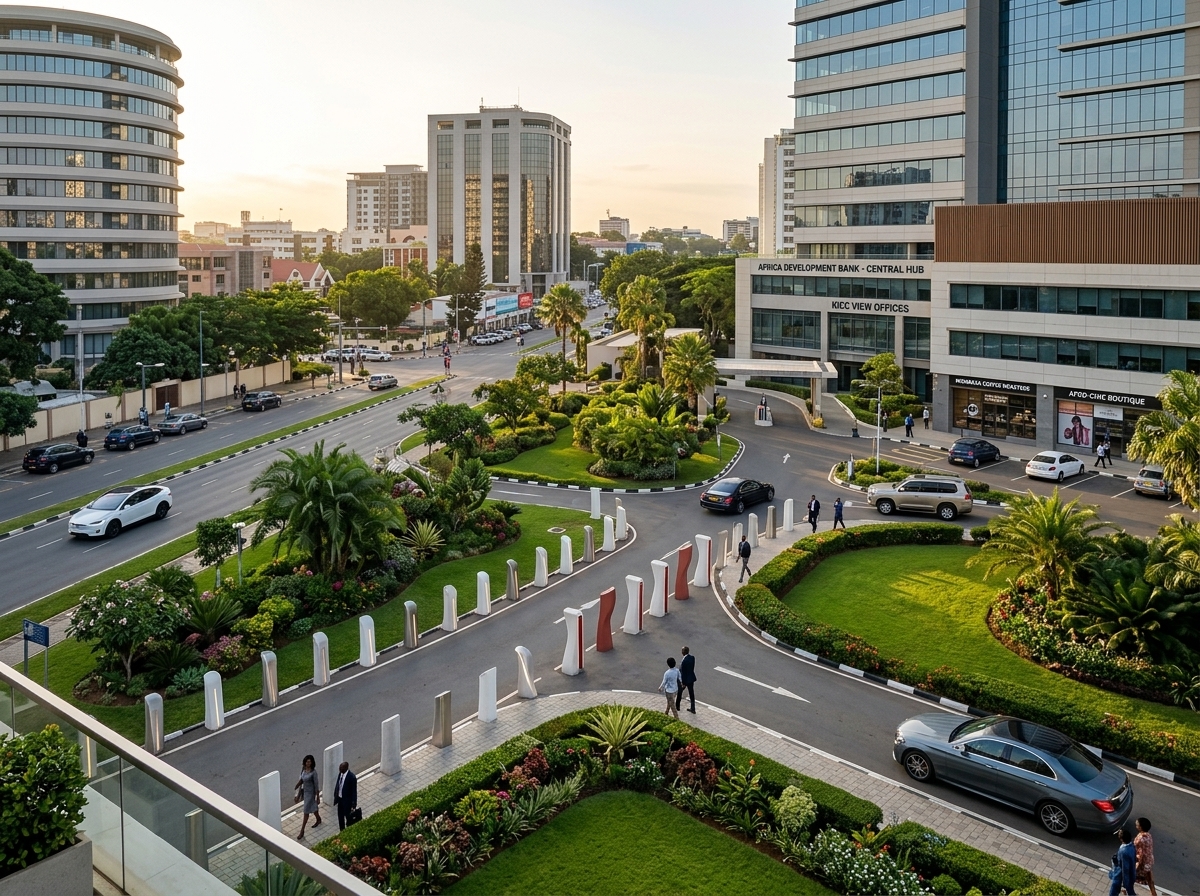
Wuse continues to function as one of Abuja’s busiest commercial and lifestyle centers. Jabi combines hospitality, entertainment, shopping, and lake-side leisure, while Life Camp has grown into a balanced residential district popular among professionals and families.
These locations offer strong convenience for day-to-day living.
Katampe, Mabushi & Jahi
These districts represent Abuja’s ongoing urban expansion.
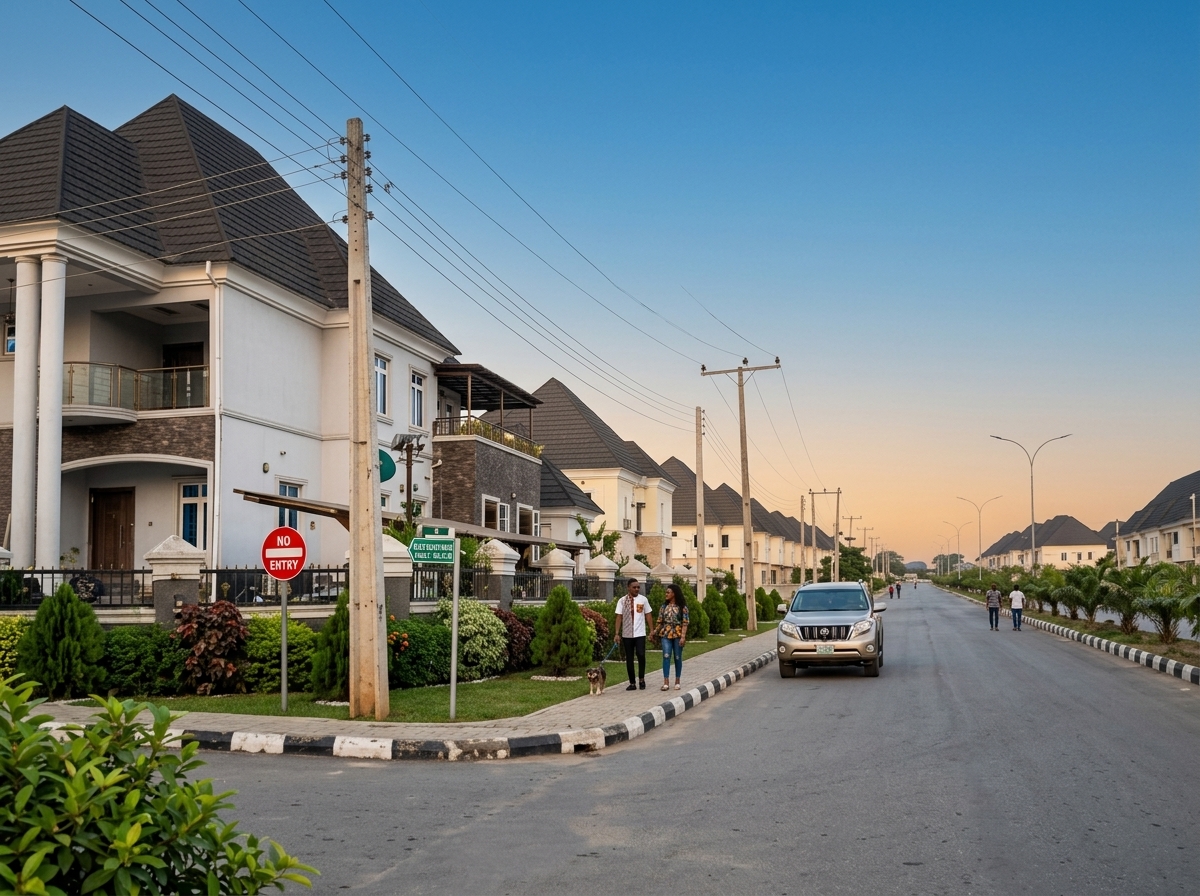
Modern estates, improving road networks, and rising residential demand have transformed these areas into major real estate hotspots. They offer relatively central access while remaining more affordable than Maitama or Asokoro.
Developers continue expanding aggressively across these neighborhoods.
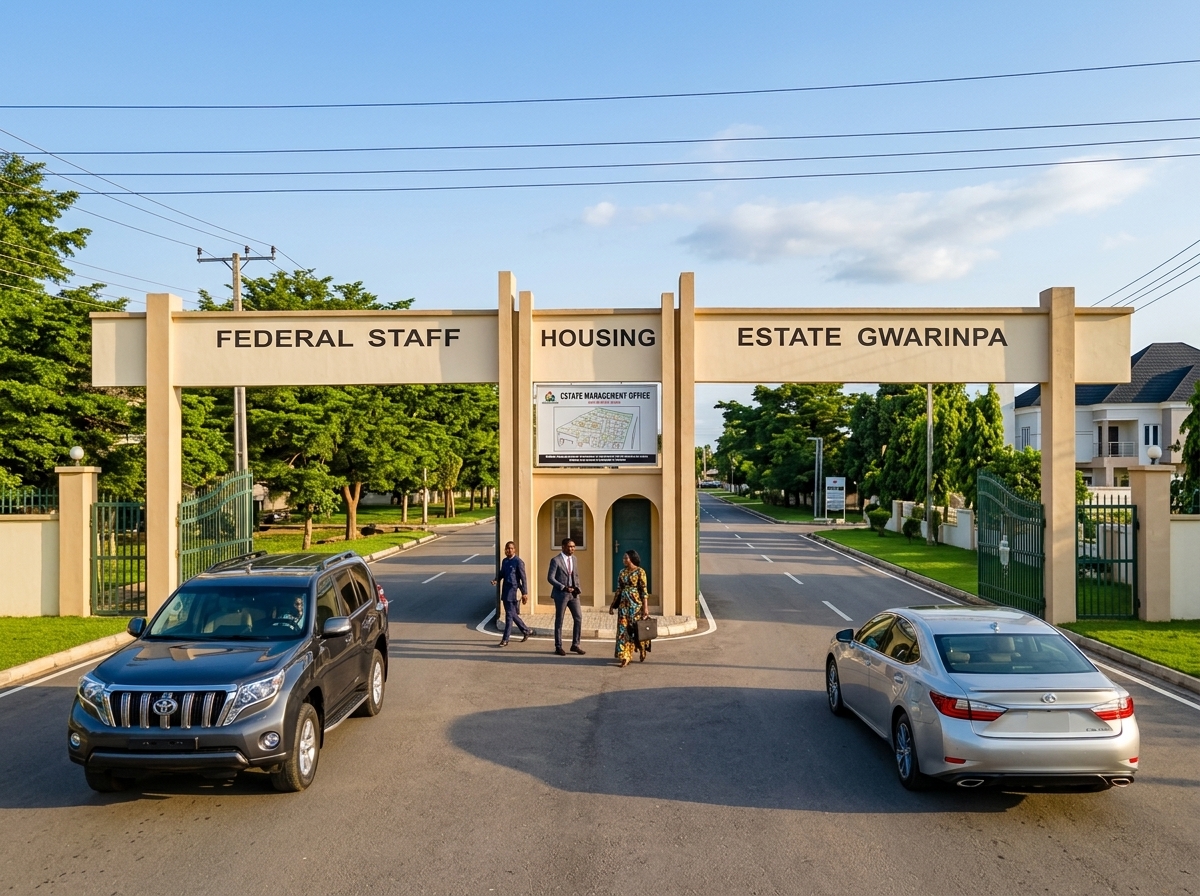
Gwarinpa, Dawaki & Galadimawa
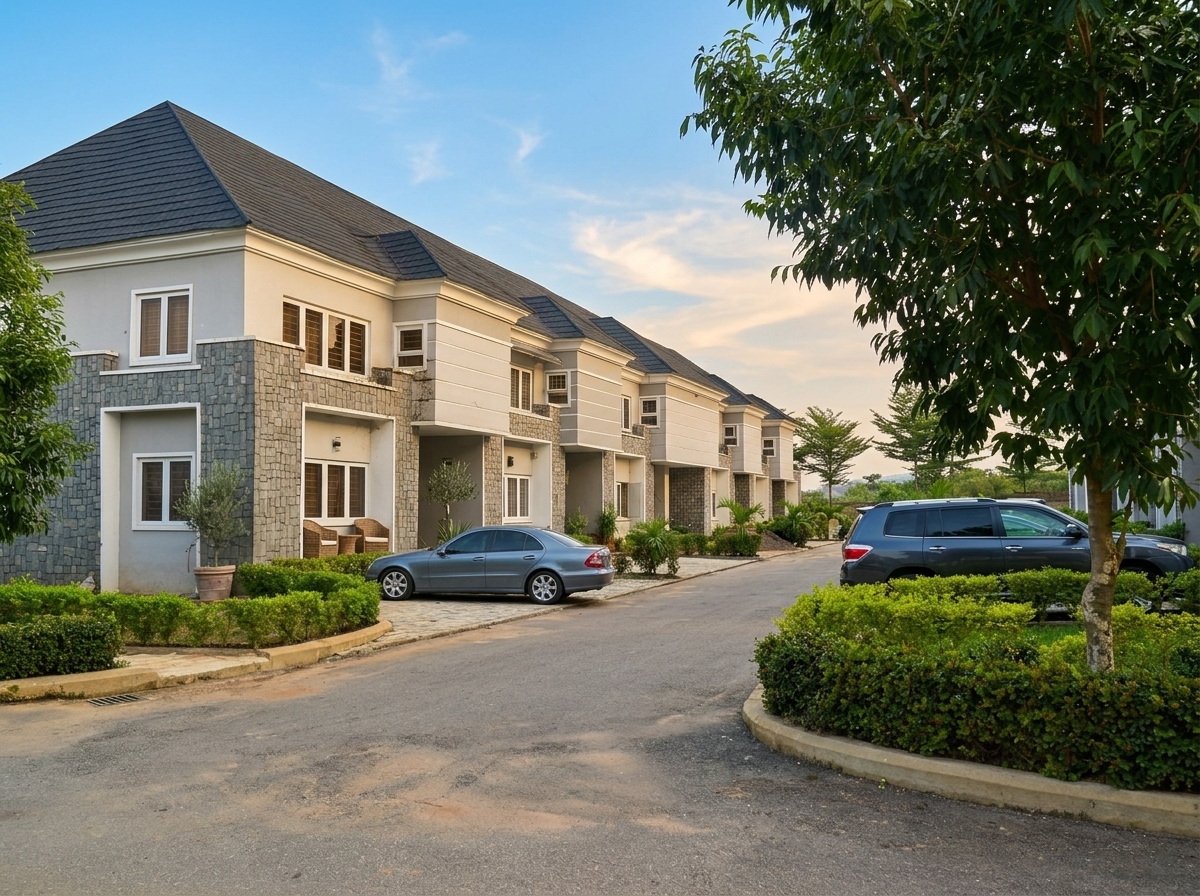
These districts continue attracting middle and upper-middle-income residents looking for practical family living.
Gwarinpa remains one of Abuja’s largest residential districts and offers strong commercial activity, estate living, and social convenience. Dawaki continues expanding rapidly due to improving infrastructure, while Galadimawa appeals to residents seeking calmer environments closer to central Abuja.
Idu, Kyami, Lugbe & Kuje
This corridor represents part of Abuja’s future growth story.
As development stretches outward, these districts are increasingly attracting attention from investors, developers, and long-term residents because of land availability, airport access, and expanding infrastructure.
Idu continues developing through industrial activity and transportation projects. Kyami is emerging quietly along the airport corridor with increasing estate development. Lugbe remains one of Abuja’s busiest residential expansion zones, while Kuje continues positioning itself as a major long-term investment destination.
For many investors, these districts are no longer “outskirts.” They are Abuja’s next phase.
The Cost of Living in Abuja
Abuja can be expensive.
But Abuja can also be surprisingly manageable.
The reality depends heavily on your lifestyle choices.
Accommodation remains the largest financial factor for most residents. Rental prices vary significantly depending on district, infrastructure, security, estate quality, and proximity to central Abuja.
Luxury living in areas like Maitama, Asokoro, Guzape, or high-end parts of Jabi can become extremely expensive. However, districts further outward often provide significantly better value for money.
Outside housing, daily living costs remain flexible across different income levels.
You will find:
Affordable local restaurants Premium fine dining Budget transportation Luxury nightlife High-end supermarkets Open local markets Luxury serviced apartments Budget-friendly estates
Abuja adapts to your financial reality.
Transportation and Movement Around the City
Abuja was designed around movement by road.
The city is spread across multiple districts connected through highways and major roads, meaning transportation planning is important before relocating.
Ride-hailing platforms like Uber and Bolt remain widely used across Abuja and are generally more reliable than traditional public transportation systems.
Compared to Lagos, Abuja traffic feels significantly lighter and more manageable for most residents.
This difference alone improves daily quality of life for many people relocating to the city.
The Abuja airport also contributes heavily to the city’s appeal, especially for business travelers and professionals who move frequently between cities or internationally.
Career Opportunities and Business Potential
Opportunity remains one of Abuja’s biggest attractions.
Government institutions, NGOs, embassies, multinational companies, construction firms, hospitality brands, consultants, media businesses, and technology startups all operate actively within the city.
But Abuja is no longer just a “salary city.”
Entrepreneurship is growing rapidly.

Industries currently experiencing strong growth include:
Real estate Construction Relocation services Hospitality Logistics Interior design Digital services Wellness businesses Smart home solutions Media and content creation
For ambitious entrepreneurs, Abuja still offers room to grow.
Education and Family Life
For families, Abuja remains one of Nigeria’s most comfortable cities to raise children.
The city offers:
International schools Private academies Recreational centers Family-oriented estates Sports facilities Modern healthcare access
Districts such as Life Camp, Gwarinpa, Apo, Lokogoma, and Jahi continue attracting families due to their balance of accessibility, community living, and residential comfort.
Healthcare in Abuja
Healthcare quality in Abuja is among the strongest in Nigeria, particularly within the private sector.
The city hosts modern hospitals, specialist clinics, diagnostic centers, and international-standard medical facilities serving both local residents and expatriates.
Private healthcare remains the preferred option for many residents because of service quality and shorter waiting times.
Is Abuja Safe?
Compared to many major African cities, Abuja remains relatively secure.
Security presence is visible across diplomatic zones, commercial areas, government districts, and many residential neighborhoods.
Like every major city, residents should still maintain proper personal awareness and security habits. However, many newcomers describe Abuja as calmer and more structured than they initially expected.
For professionals, expatriates, and families, that sense of order matters greatly.
Move to Abuja Insight
One of Abuja’s biggest advantages is timing.
The city is still evolving.
Entire districts are expanding. New roads are opening. Investment corridors continue shifting. Areas many people ignored years ago are suddenly becoming prime development zones.
That creates opportunity for:
Investors Home buyers Entrepreneurs Developers Relocating families Young professionals
The people who understand Abuja early often benefit the most later.
Final Thoughts
Relocating to Abuja is more than changing cities.
It is entering a city still actively shaping its future.
Abuja rewards preparation, positioning, local knowledge, and patience. The experience you have in the city often depends on choosing the right neighborhood, understanding your lifestyle needs, and working with people who genuinely understand how Abuja works.
At Move to Abuja, we help individuals, families, expatriates, and investors navigate life in Nigeria’s capital with clarity — from relocation support and property search to district guidance and settling into the city comfortably.
Because moving to Abuja should feel less overwhelming… and more like stepping confidently into your next chapter.